Modeling and Simulation for Coating Processes
Open · phdDevelop advanced models using finite-element methods and physics-informed machine learning to optimize coating die designs for electrode production.
Most openings are tied to an active research topic — see what you would work on, and where it fits in the lab. Others start new directions.
Our research group is at the forefront of advancing knowledge in transport phenomena and its pivotal role in advanced manufacturing. We explore the intricate dynamics of microscale flow phenomena and their impact on high-performance materials — blending theoretical insights with practical applications. We warmly invite passionate individuals to join us.
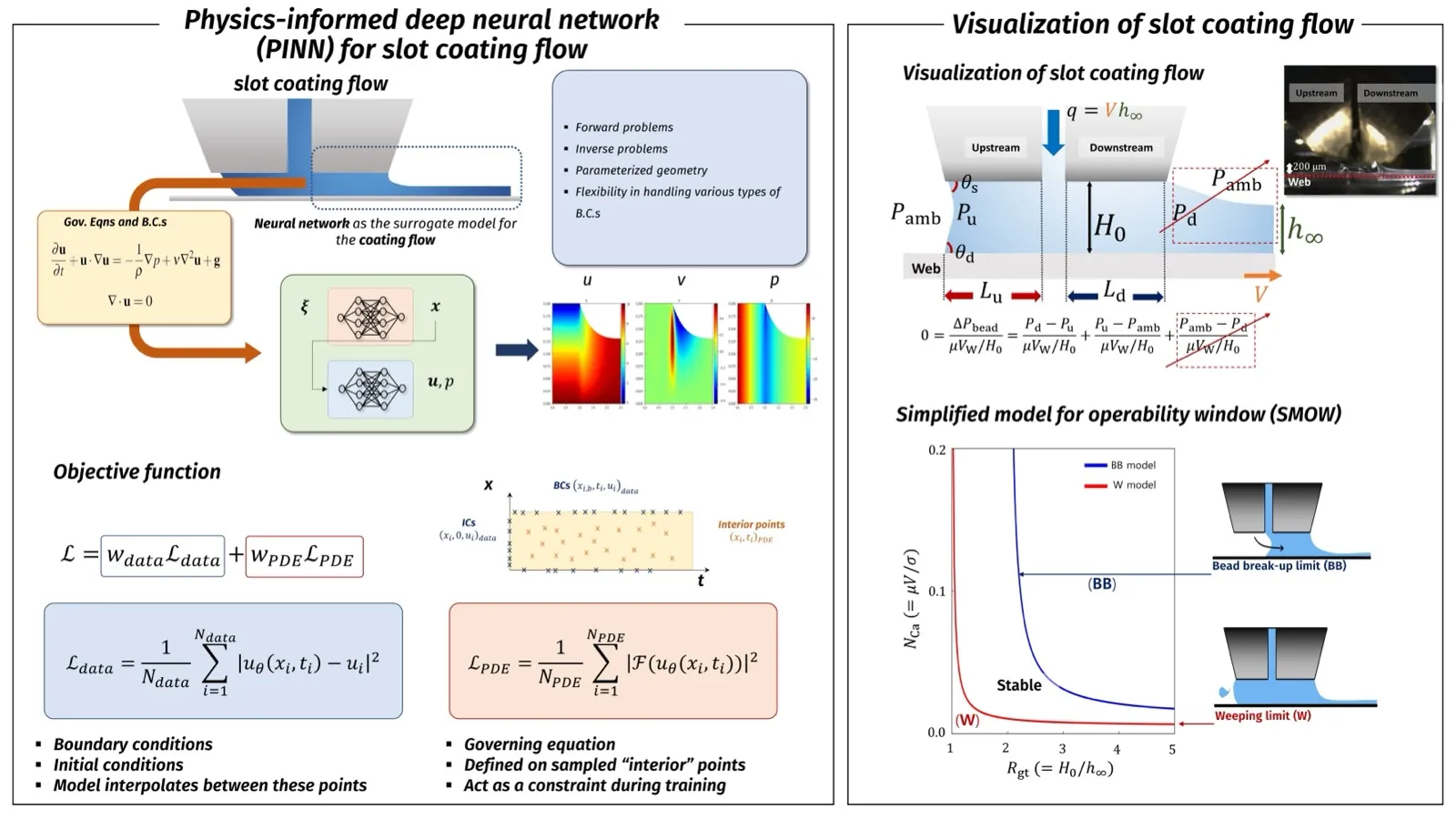
Develop advanced models using finite-element methods and physics-informed machine learning to optimize coating die designs for electrode production.
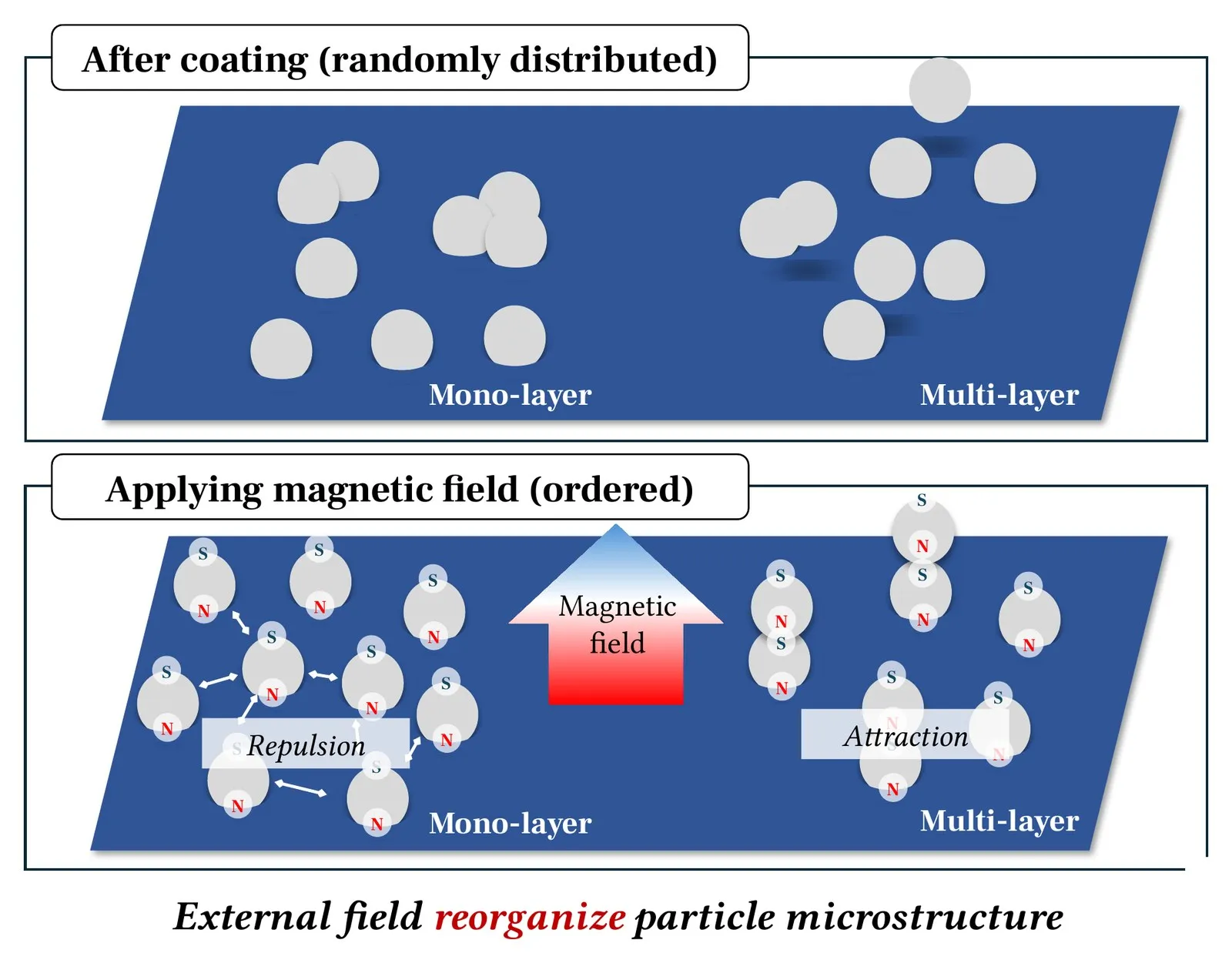
Investigate how electromagnetic forces can influence particle movement within fluids to control microstructures, crucial for optical films and battery electrodes. This is a newly expanding direction of the lab.
LFP-based secondary battery electrode coating technology development and/or aqueous Li-ion battery cathode manufacturing technology development, in collaboration with Prof. Jangwook Choi.
Apply computational and data-driven methodologies to uncover the intricate microstructure of electrodes in batteries and fuel cells.
Delve into novel patch coating methods for the fabrication of electrodes in batteries and fuel cells, combining computational models with flow visualization experiments including blade coating.
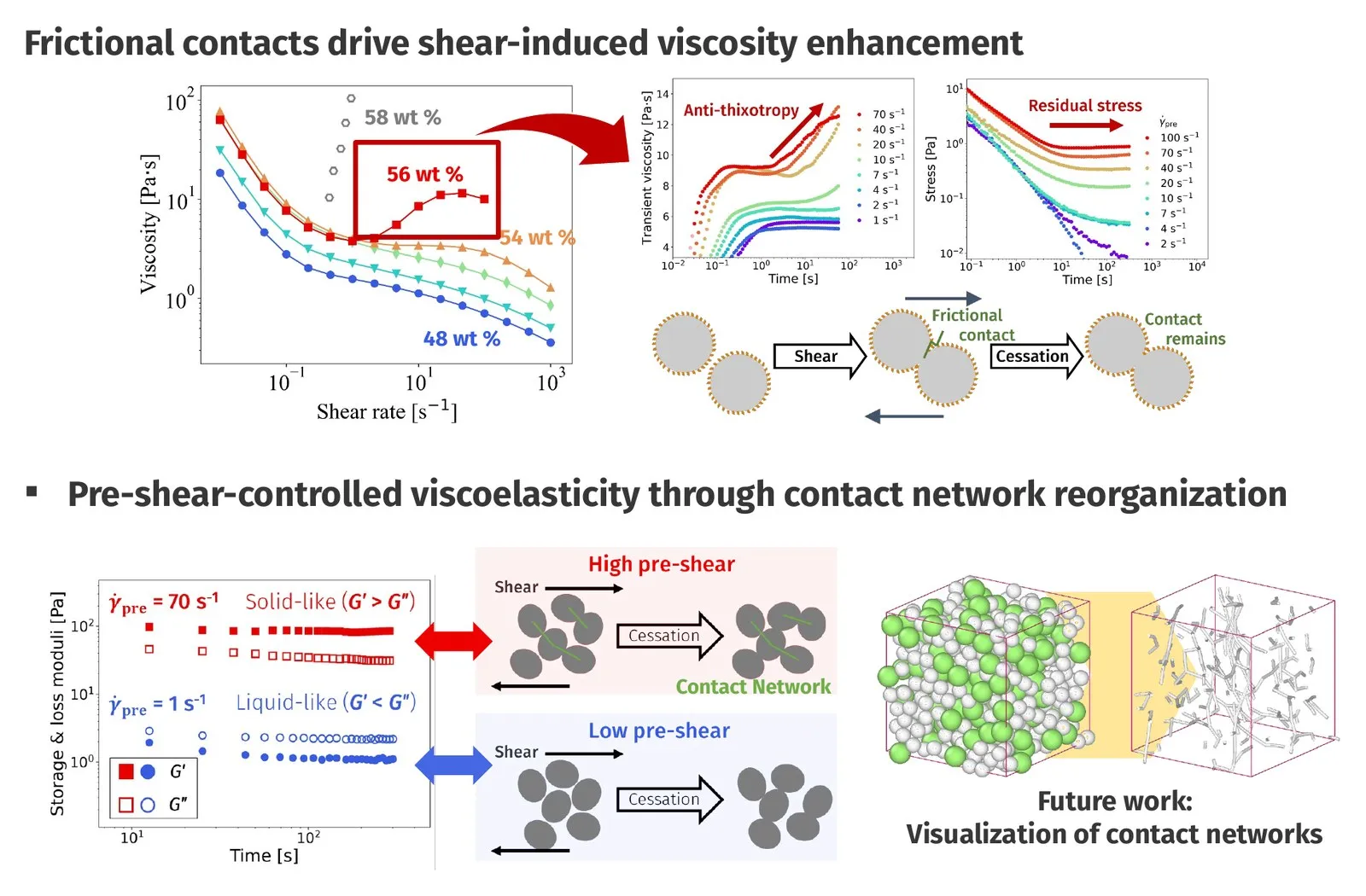
Examine the complex rheological properties of battery electrode slurries, emphasizing extensional (via Capillary Rheometer, CaBER) and shear rheology (using stress- & strain-based rheometers).
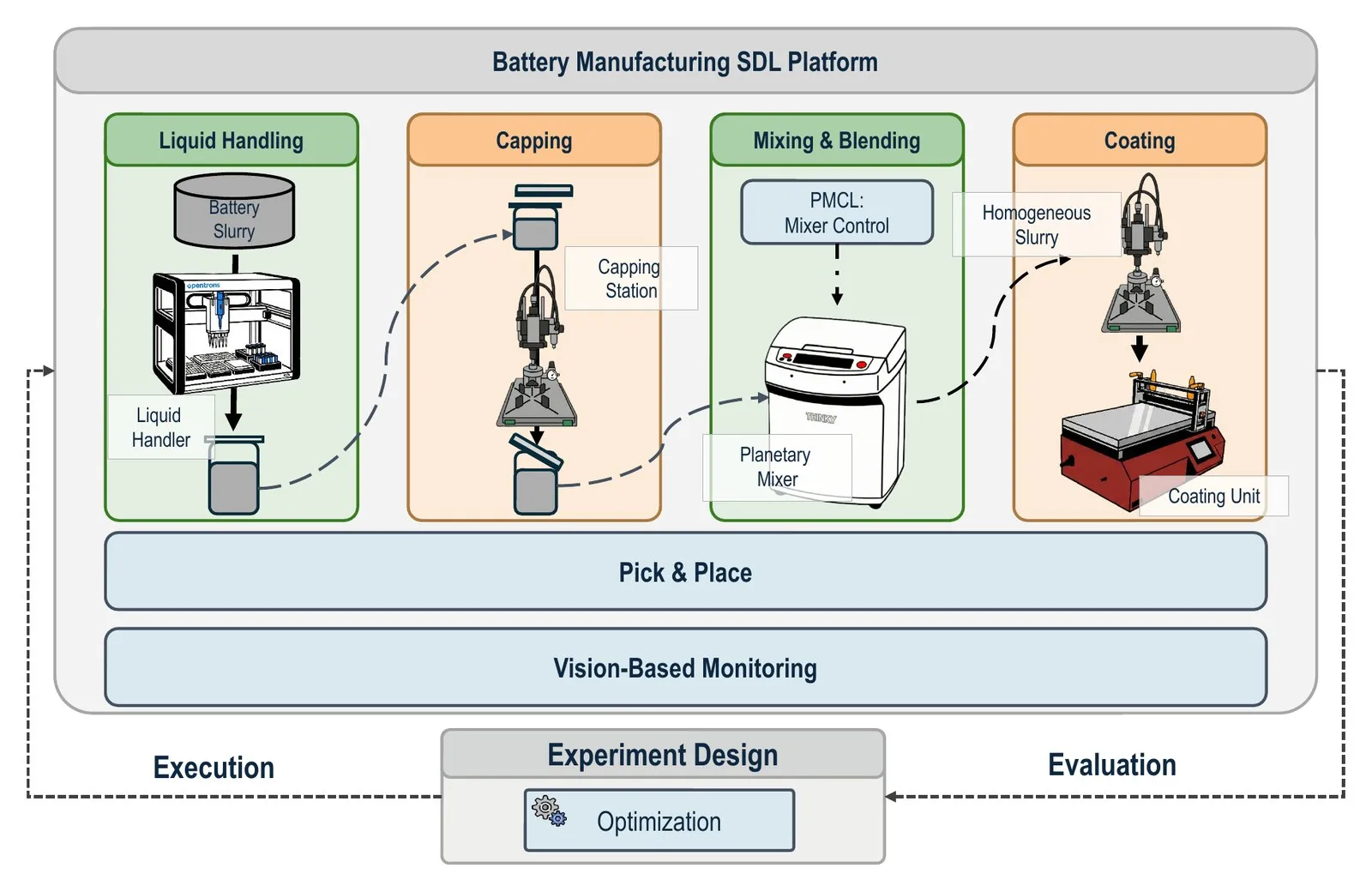
Engineer a versatile platform to tackle coating challenges in the manufacturing of optical films and battery electrodes, emphasizing the automation of blade coating techniques.
Utilize a data-centric approach to dissect and improve the coating and drying stages in the production of battery electrodes.
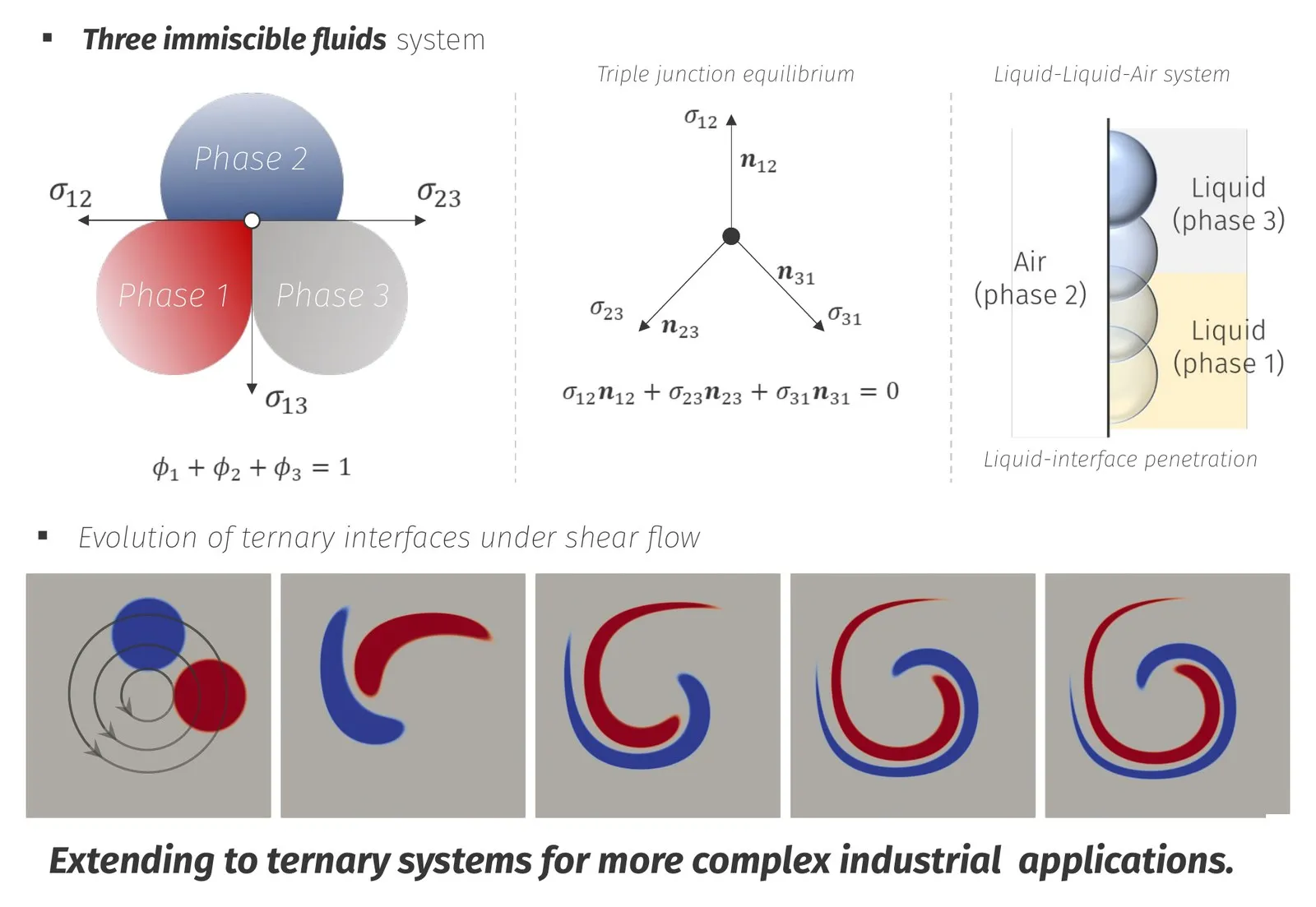
Perform advanced computational analysis of porous media and multiphase flows, utilizing the Lattice Boltzmann method for enhanced understanding.
Send a concise cover letter and your CV to Prof. Jaewook Nam at jaewooknam@snu.ac.kr. Clearly articulate your research interest, especially where it intersects with the use of complex fluids in manufacturing processes for batteries, fuel cells, and optical films.
Industry-sponsored candidates are also welcome — emphasize your sponsorship in the cover letter and briefly describe the topic you wish to explore in partnership with your sponsor.
News & Information for Chemical Engineers 35(4), 382-386 (2017)
Bulletin of Korean Chemical Science and Technology 8(2), 15-21 (2016)
News & Information for Chemical Engineers 28(5), 552-562 (2010)